Preventive Partners
We work to support safe and just responses to victim survivors, hold perpetrators of sexual violence to account, and take action to prevent violence from occurring in the first place. Find out about these different areas of work, and how they support each other.
Ending sexual and gender-based violence is long-term work that must occur at all levels and all sites across the community. This continuum of interconnected and concurrent activities fit into three broad categories:
Prevention – or Primary Prevention
Early Intervention – or Secondary Prevention
Response – or Tertiary Prevention.
Initiatives focused on each of these areas are important and reinforce each other.
Primary Prevention
Prevention - or Primary Prevention
Working across communities, organizations, and society in settings where people live, learn, work, socialize and play to stop violence from happening in the first place. It involves challenging or addressing the things that drive sexual violence and gender-based violence (the gendered drivers).
What can this work look like?
Implementing whole school initiatives that promote gender equality and respectful relationships.
Developing awareness-raising campaigns that make it clear sexism and disrespecting women is never acceptable.
Supporting a local sports club to develop policies and procedures that ensure women and children have equal access to resources and appropriate facilities to support their participation in sport.
Implementing workplace initiatives that take a whole of organization approach to addressing the drivers of family and gendered violence. This may include addressing unequal workplace policies, processes, leadership, and workplace culture.
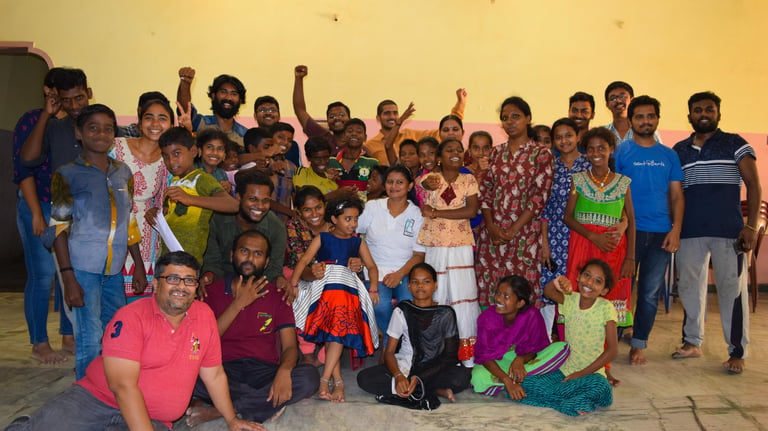
Secondary Prevention
Early Intervention - or Secondary Prevention
Initiatives designed to stop early signs of abuse from escalating, prevent violence from recurring, and reduce longer-term impacts and harm. This can involve working with groups or individuals who may be at risk of perpetrating or experiencing violence, focusing efforts in where there are signs that violence is more likely to occur, and working more broadly across communities and society to improve approaches to recognizing and responding to signs of abuse.
What can this work look like?
Developing resources to support people to understand sexual violence and recognize if they are experiencing it.
Providing information and training about sexual violence, legal rights and support services to people who are at higher risk of experiencing violence or professionals who work with them.
Working with boys who have shown early signs of or begun using violence to stop them from continuing to use violence as adults (for example, sexually abusive behaviours treatment services).
Delivering education sessions at a sports club about sexual assault and the legal consequences after women have reported experiencing sexual harassment.
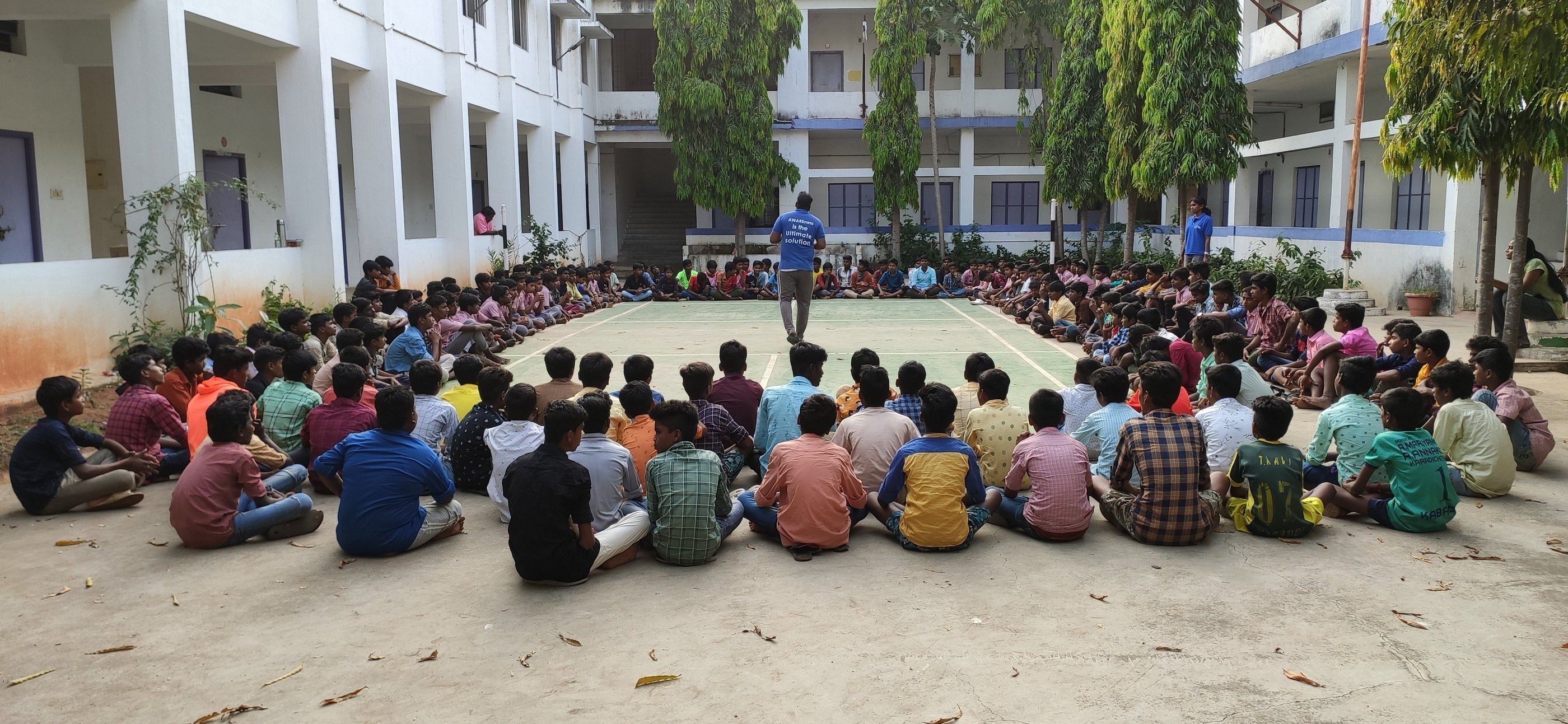
Tertiary Prevention
Response - or Tertiary Prevention
Responding to victim survivors when they need support to stay safe from someone using violence against them. This may be when they are still experiencing abuse, planning to leave, or have already left. This work can take a variety of forms including crisis response, case management, specialist counselling and recovery support.
We provide frontline support for those experiencing sexual violence. They place the needs of victim survivors at the centre of their practice.
What can this work look like?
Talking to victim survivors about their experience of violence and assessing their level of risk.
Working with the victim survivor if they choose to stay in their relationship, to help them to remain safe.
Providing case management support including arranging crisis accommodation, supporting victim survivors to secure housing, advocating for victim survivors navigating the legal system, and providing referrals and support.
Police protection and response (for example, responding to incidents of family violence).
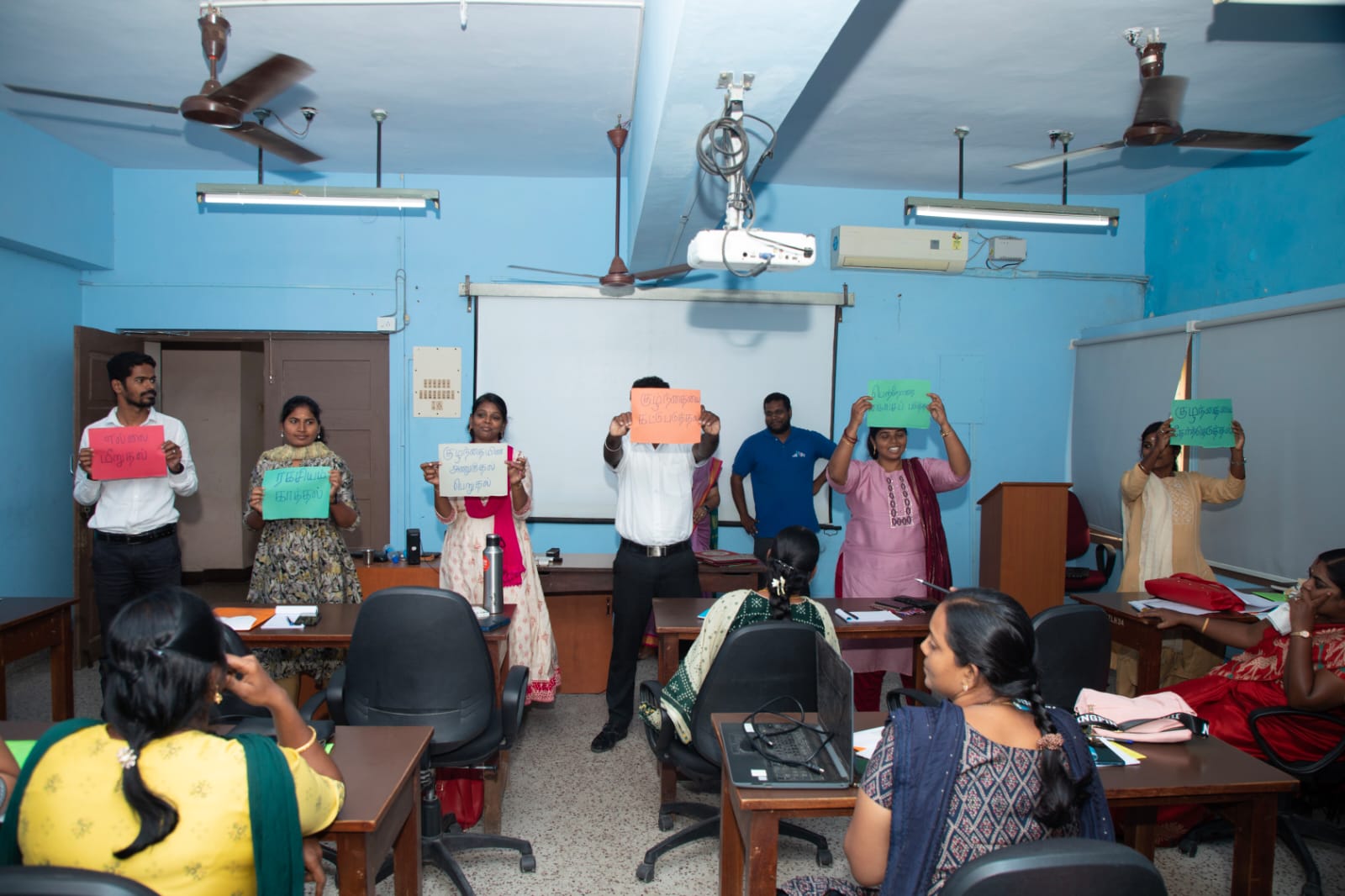
The Prevention Continuum
By utilizing the Prevention Continuum, we ensure that our efforts are both targeted and comprehensive. This approach allows us to meet our group where they are in their journey, providing the right level of support at the right time.
Primary Prevention:
At the primary prevention level, we focus on stopping abuse/ violence before it occurs. This involves implementing universal interventions that benefit the entire community and strengthen everyone. By reaching a broad audience, we aim to create a safer environment for all children.
Secondary Prevention:
At the secondary prevention level, we identify and provide support to those who may be at a higher risk of experiencing abuse/ violence. Through early intervention and tailored support, we work to prevent issues from escalating.
At the tertiary prevention level, we concentrate on minimizing the negative impacts of abuse/ violence and preventing its recurrence. This involves offering specialized interventions to those who have already experienced abuse or neglect, with the goal of supporting healing, recovery, and preventing further harm.