Workspace Culture
Building inclusive workplaces where everyone feels safe, respected and included
Our Approach
Changing attitudes is important for preventing gender-based violence — but real prevention requires changing behavior.
We implement primary prevention approach that focuses on the policies, cultural setting, training and leadership values that influence human behavior, creating workspaces where safety, belonging, and inclusion are the norm.
By equipping every staff to influence team dynamics in positive ways, this can support stronger performance, higher engagement and retention, more respectful interactions, and healthier work environments.
Policy Design
Crafting clear anti-harassment and inclusion policies tailored to your workspace dynamics.
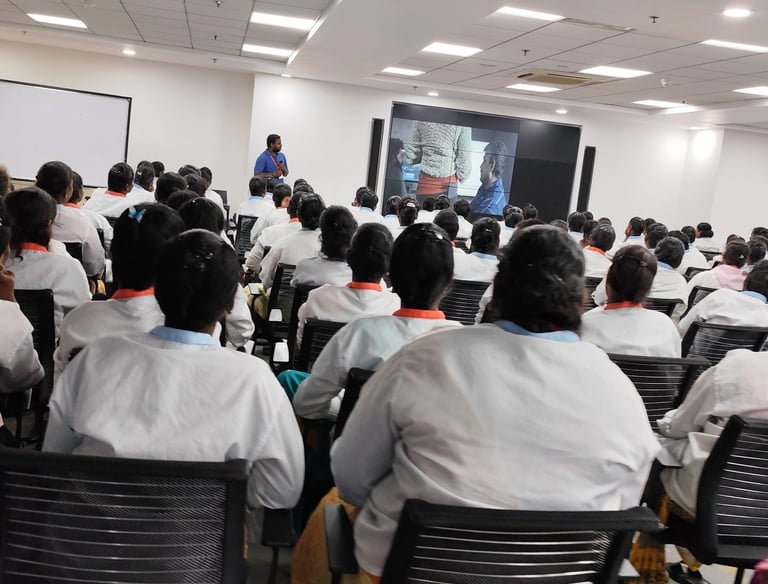
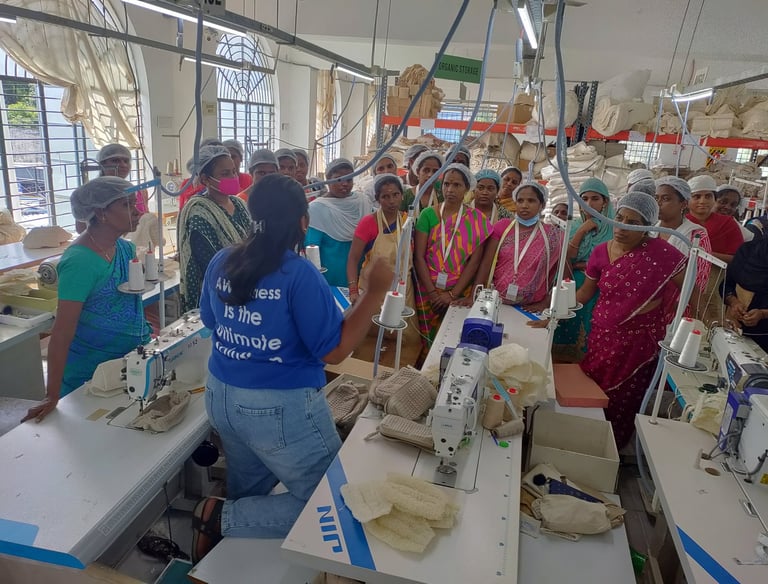
Training & Sensitization
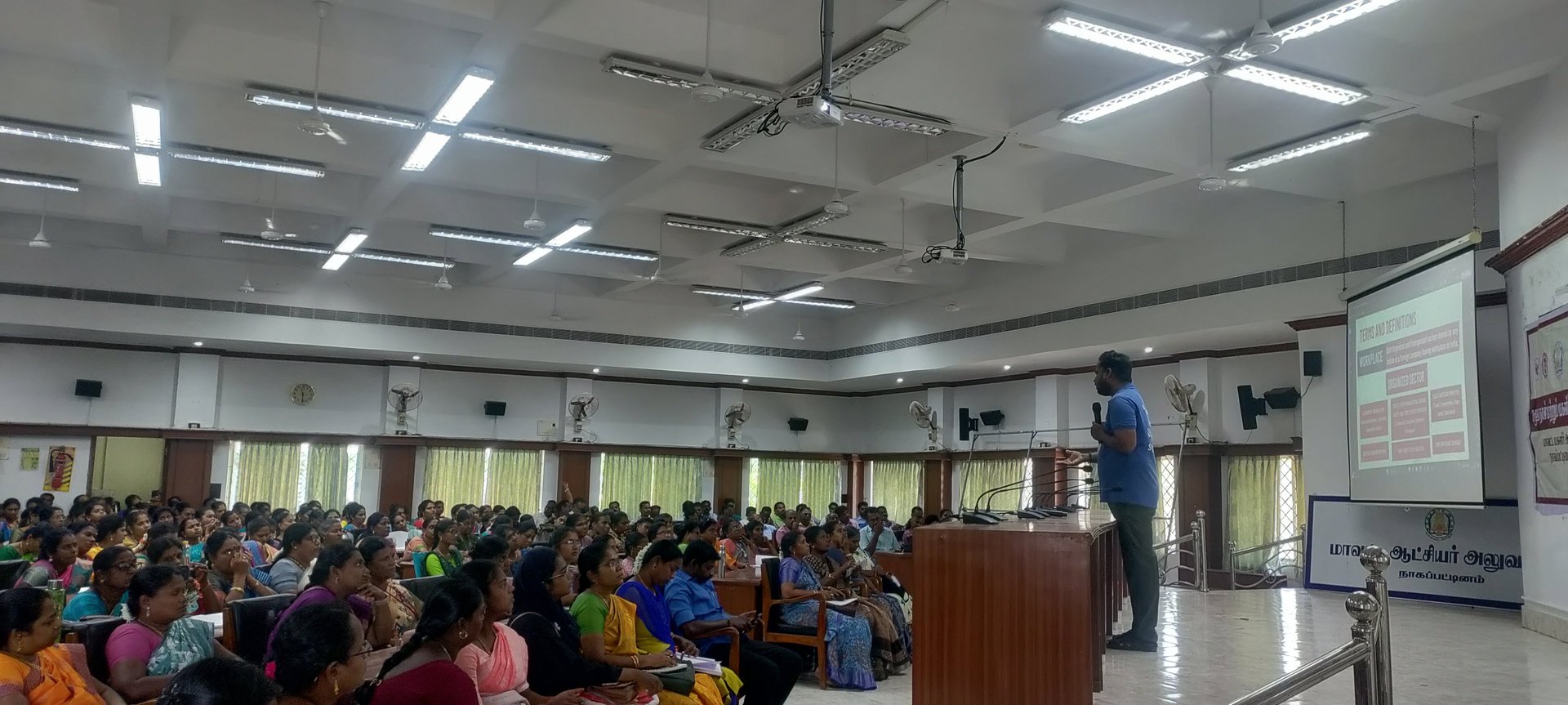
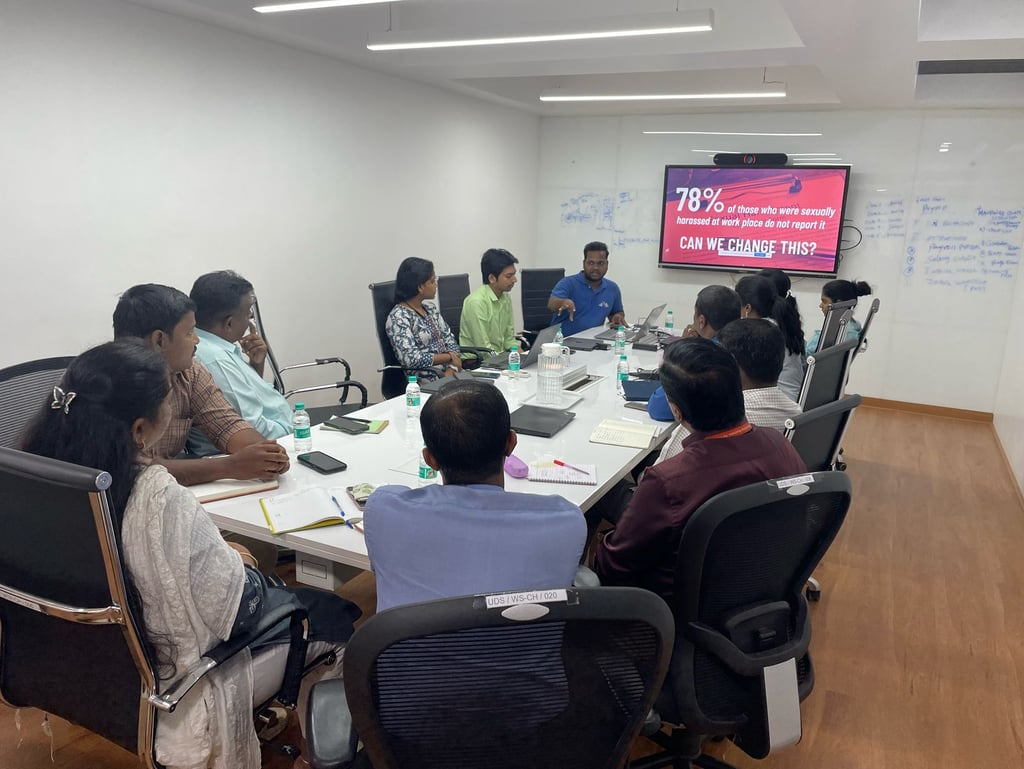
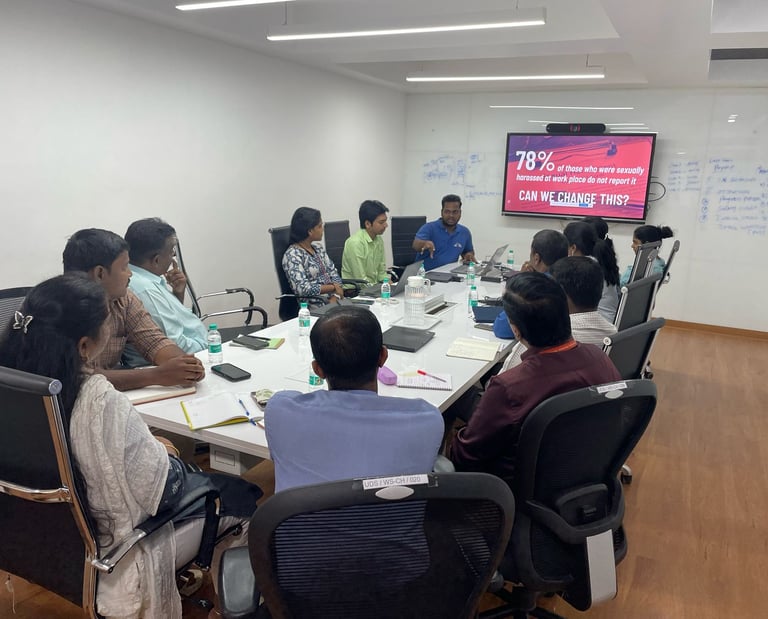
Building capacity and Interactive sessions that empower teams to prevent harassment effectively.
Support systems that foster ongoing dialogue and accountability among the leaders, managers and across the team
Support
How it works?
Our module applies a social norms and social network approach to spark change from the inside out.
Research shows that unspoken ‘norms’ — what people see as expected and acceptable in group settings — often guide behavior. That’s why we work with influential staff and leaders to model prosocial behaviors through customized, interactive workshops tailored to the specific needs and realities of each workplace.
The Process
We implement our approach over 6-8 months, including by:
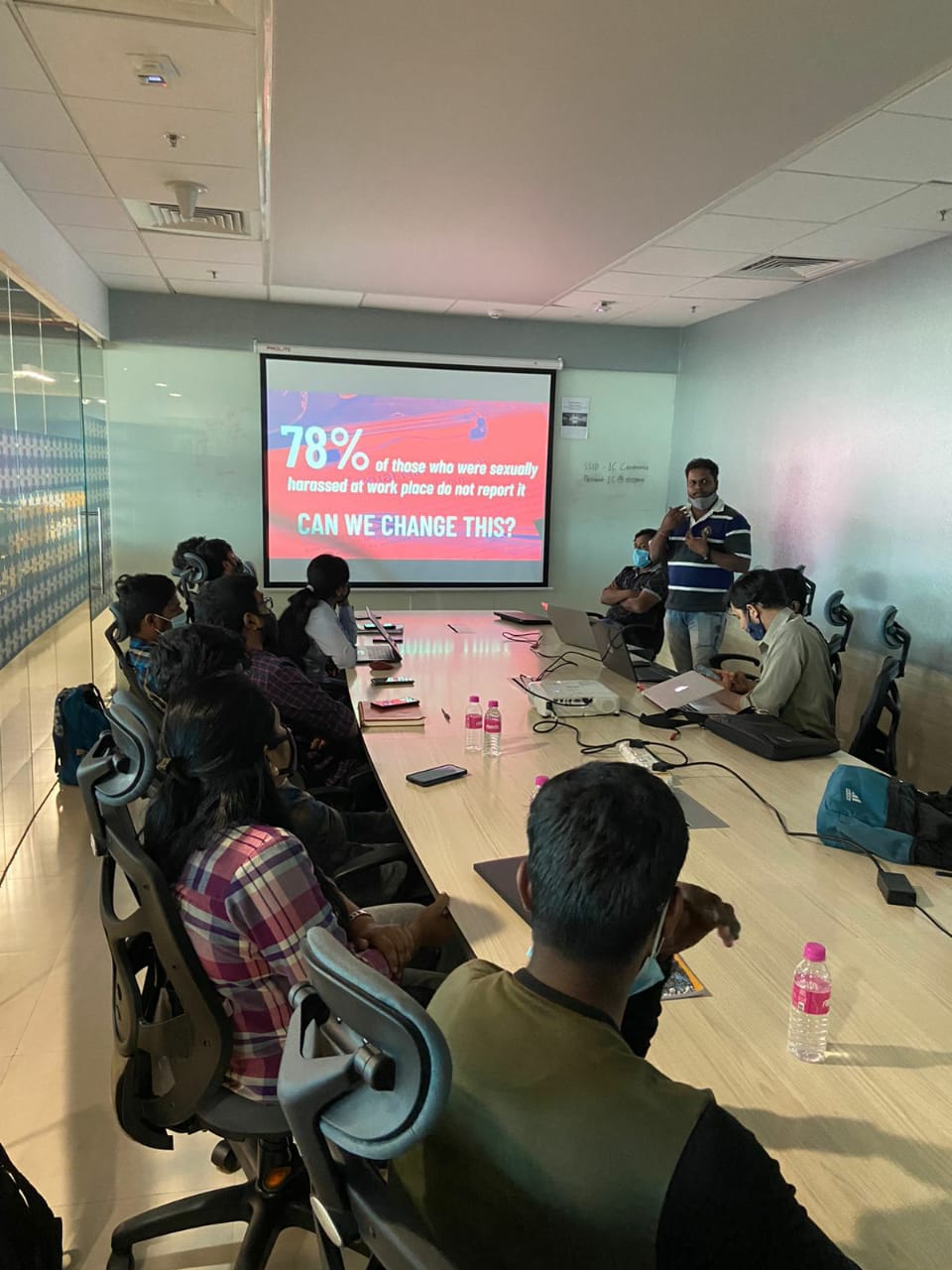
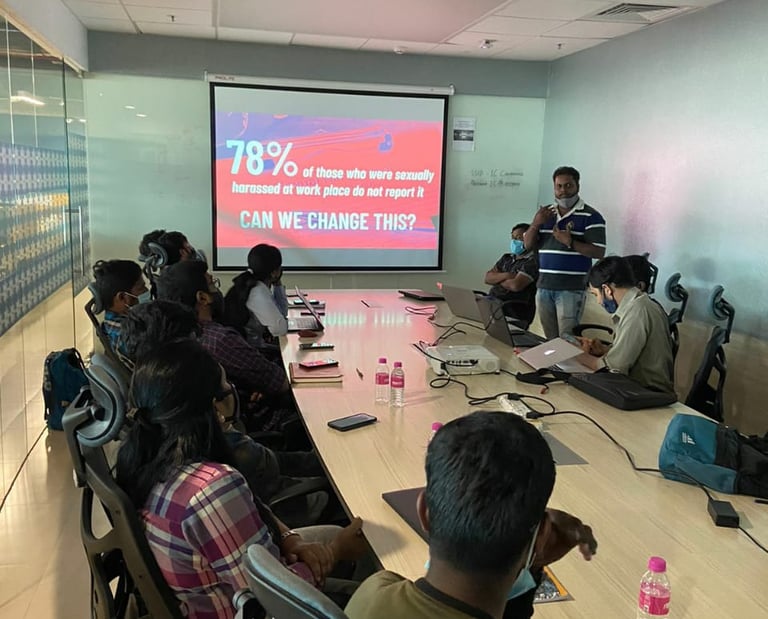
Familiarizing ourselves with a workplace through meetings with select leaders, key informants, document review and site visits.
Consulting with staff to identify their priorities for an enhanced workplace environment, and to hear their perspective on opportunities and challenges in the workplace.
Identifying formal and informal influencers within departments and teams, including people in supervisory roles and/or who are liked and respected.
Facilitating customized learning sessions with these influencers to build their capacity to address the priorities identified through the consultations.
Facilitating leadership workshops with executives and other senior leaders, so they can support and reinforce the work of the influencers.
Periodically following up with participants by email to provide further resources and supports (e.g., podcasts, videos, one-pagers, etc.).
Evaluating the approach through feedback forms after each learning session, interviews, and a survey.
The Strategy
We implement our approach over 6-8 months, including by:
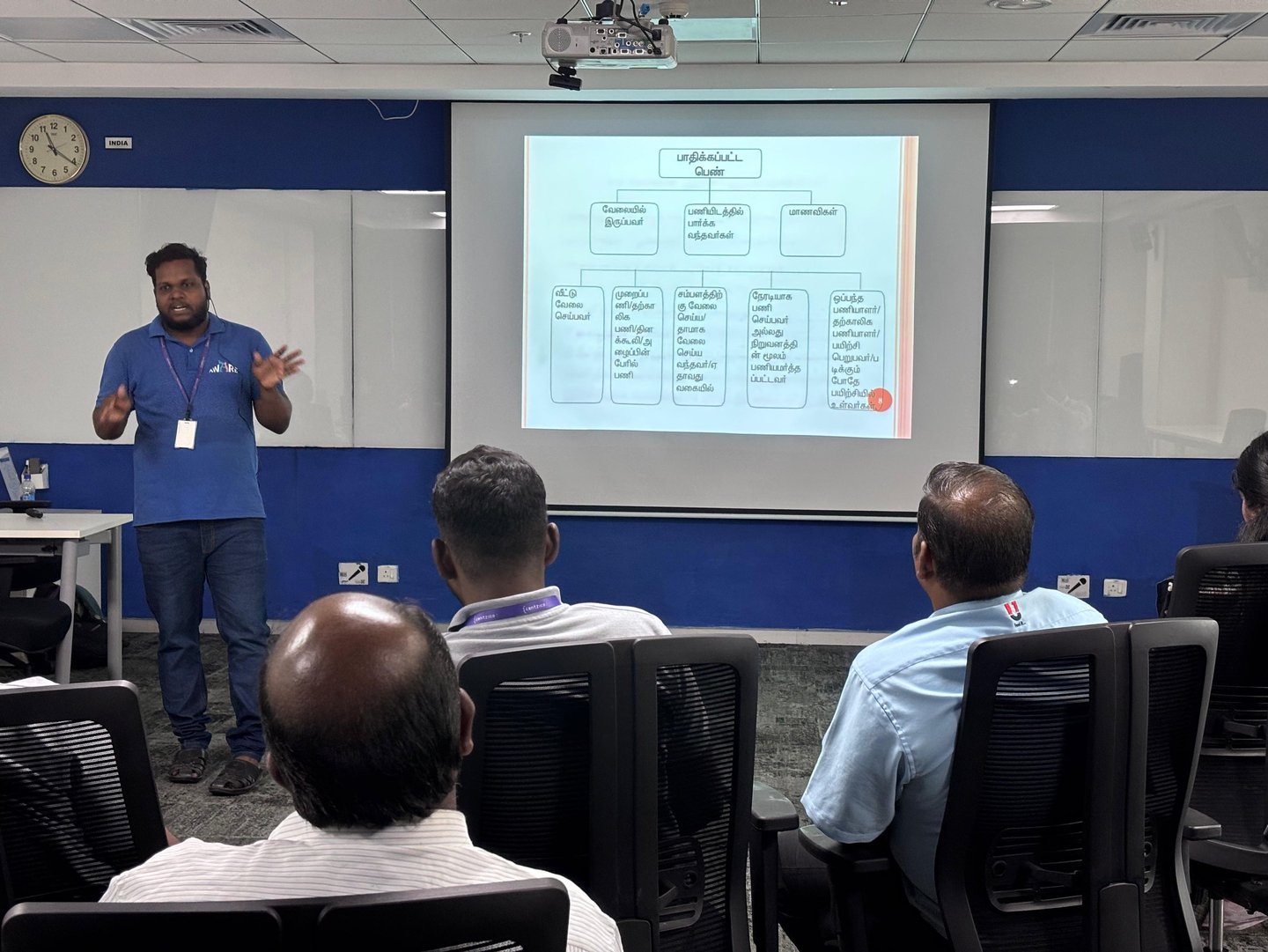
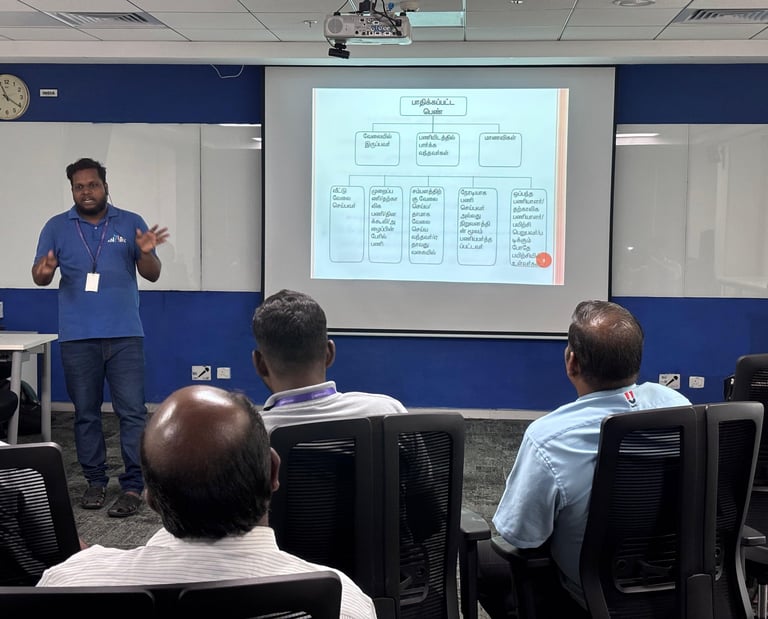
Work with 18–25% of a network: research shows that when about a quarter of a group consistently models a new behaviour, it will spread to the rest of the network.
Recruit influencers, not just allies: we work with participants who are liked and respected regardless of their beliefs, because behaviour change depends on social credibility, not ideology.
Start with organizational priorities: we begin by addressing the issues participants care about, building trust before tackling more sensitive topics.
Custom, not cookie-cutter: content is tailored to each workplace’s realities and culture.
Frame around psychological safety and belonging: this focus engages even those who don’t see violence prevention as a priority.
Minimize defensiveness: we centre curiosity, empathy, and perspective-taking, not lectures on privilege.
Focus on behaviours, not attitudes: the aim is tangible change in daily actions.
Bottom-up culture change: while leaders are involved, we focus on working with frontline supervisors and employees.